Bodily Expressed Emotion
Understanding (BEEU)
January 26, 2026SingaporeVenue DetailsOverview
Humans inherently communicate through body language. Bodily expressions are a fundamental, often subconscious, way of responding to social situations and expressing emotions. Despite extensive studies in psychology, human behavior, dance, and theater, computational interpretation of body language, to predict internal states such as emotions or intention, remains challenging and underexplored. Addressing this gap holds significant potential across various fields: from socially adept robots and intuitive AI interfaces to holistic AI systems approaching human-level physical intelligence.
The 2nd International Workshop on Bodily Expressed Emotion Understanding welcomes discussions on approaches and latest results on modeling body language automatically. A primary focus will be on predicting emotions and emotion-related behavior, while research on related tasks and applications (e.g., activity recognition, generation of socially appropriate behavior, embodied intelligence, etc.) will also be strongly encouraged to be shared.
Topics of Interest
- Automatic Modeling of Body Language
- Emotion Recognition using Body Language
- Activity Recognition using Body Language
- Emotion Understanding Beyond Facial Expression
- Emotional Gesture Generation
- Applications in Robotics, HRI, or related fields
- Use of Large Foundation Models for Emotion Recognition, Expression, Generation
- Data sharing and open-science with human subjects data
- Expressive human pose representation
- Human movements coding system
- Algorithmic fairness and data ethics related to emotion modeling
The workshop will include the following components: oral paper presentations, lightning talk sessions, keynote talks by invited speakers, and a panel discussion. The workshop will also have a challenge component, and the presentations can include top submissions made to our challenge track. It will be a 1-day event.
Important Dates
Deadline for Paper Submissions: November 4th, 2025
Notifications sent to Authors: November 17th, 2025
Workshop Presentations: January 26th, 2026
Schedule
January 26th, 2026: Singapore Time (GMT+8)
9:00 AM - 9:15 AM: Welcome Note by James Wang and Sree Bhattacharyya
9:15 AM - 9.55 AM: Keynote Talk by Amy LaViers
9:55 AM - 10:35 AM: Keynote Talk by Heather Knight
10:35 AM - 11:00 AM: Coffee Break
11:00 AM - 12:00 PM: Panel with Keynote Speakers
12:00 PM - 1:00 PM: Lunch
1:00 PM - 1:40 PM: Keynote Talk by Beatrice Gelder
1:40 PM - 2:10 PM: Introducing the ABEE dataset by Justin Lokos and Sree Bhattacharyya
2:10 PM - 2:50 PM: Keynote Talk by Soujanya Poria
2:50 PM - 3:30 PM: Keynote Talk by Lauren Bedal
3:30 PM - 4:00 PM: Coffee Break
4:00 PM - 5:00 PM: Accepted Paper Talks (6 talks)
Paper Presentations
Presentations during the workshop will be presented in the following order:
- Spatiotemporal Modeling of Bodily Emotional Expressions for Continuous Valence-Arousal-Dominance Prediction in Video
- Exploring “Synekinian Pairs”: Manual-Vocal Gesture Integration in Experimental Contexts
- Understanding Bodily Expressed Laughter Responses to Human and AI-Generated Japanese Manzai Scripts
- Gesture2Speech: How Far Can Hand Movements Shape Expressive Speech?
- Pose2Lang3D: Distilling 3D Reasoning from 2D Skeletons via Language Supervision
- Attuned Design Practice: Towards Open Rehearsals for Embodied Knowledge and Computational Design
Venue Details
The workshop takes place on January 26, 2026 and the venue is located at Grand Mercure Roxy Hotel - Meyer Room. Shuttle services are available from the Singapore EXPO.
Invited Speakers
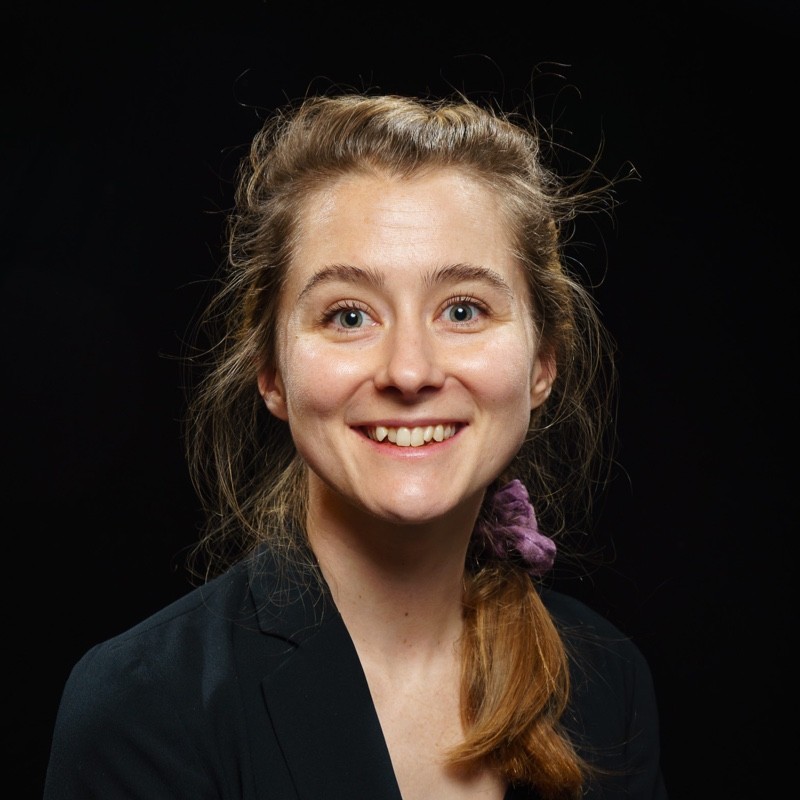
Director, The Robotics, Automation, and Dance (RAD) Lab
Amy LaViers works at the intersection of robotics and dance, directing the Robotics, Automation, and Dance (RAD) Lab, a non-profit for artmaking, commercialization, education, outreach, and research, based in Philadelphia. Amy has extensive experience organizing numerous workshops, tutorials, exhibitions, and other events related to the proposed workshop topic. These include workshops at premier robotics venues such as IEEE ICRA, ACM/IEEE HRI, and RSS. In 2025, she also chaired the Arts in Robotics Track at ICRA. Her writing, choreography, and machine designs have been presented internationally in both engineering and arts venues, including Nature, Robotics and Autonomous Systems, The MIT Press, Merce Cunningham’s studios, Joe’s Pub at the Public Theater, and the Performance Arcade. Her teaching has been recognized on the University of Illinois at Urbana-Champaign’s list of Teachers Ranked as Excellent by Their Students with Outstanding distinction, and she is a recipient of DARPA’s Young Faculty Award and Director’s Fellowship. Her work has been featured in media outlets like The New York Times, Forbes, Wired, and Dance Magazine.
amy (at) the-rad-lab.org

Associate Professor, Nanyang Technological University
Soujanya Poria is an Associate Professor at Nanyang Technological University (NTU), Singapore. His research spans large language models, reasoning, AI safety, embodied and multimodal AI, and natural language processing. He earned his Ph.D. in Computer Science from the University of Stirling (UK) and previously held roles at the Singapore University of Technology and Design and A*STAR’s Institute of High Performance Computing (IHPC).
soujanya.poria (at) ntu.edu.sg

Professor, Maastricht University
Beatrice de Gelder is a Professor in the Department of Cognitive Neuroscience at Maastricht University. Trained in philosophy and psychology, she earned her PhD (1972) from the University of Louvain and began her career teaching Philosophy of Science in Leiden and Tilburg before shifting to cognitive science in the mid-1990s. Her research focuses on non-conscious recognition after cortical damage, emotional expression in whole bodies, face recognition and its deficits, and multisensory perception across auditory–visual processing.
b.degelder (at) maastrichtuniversity.nl
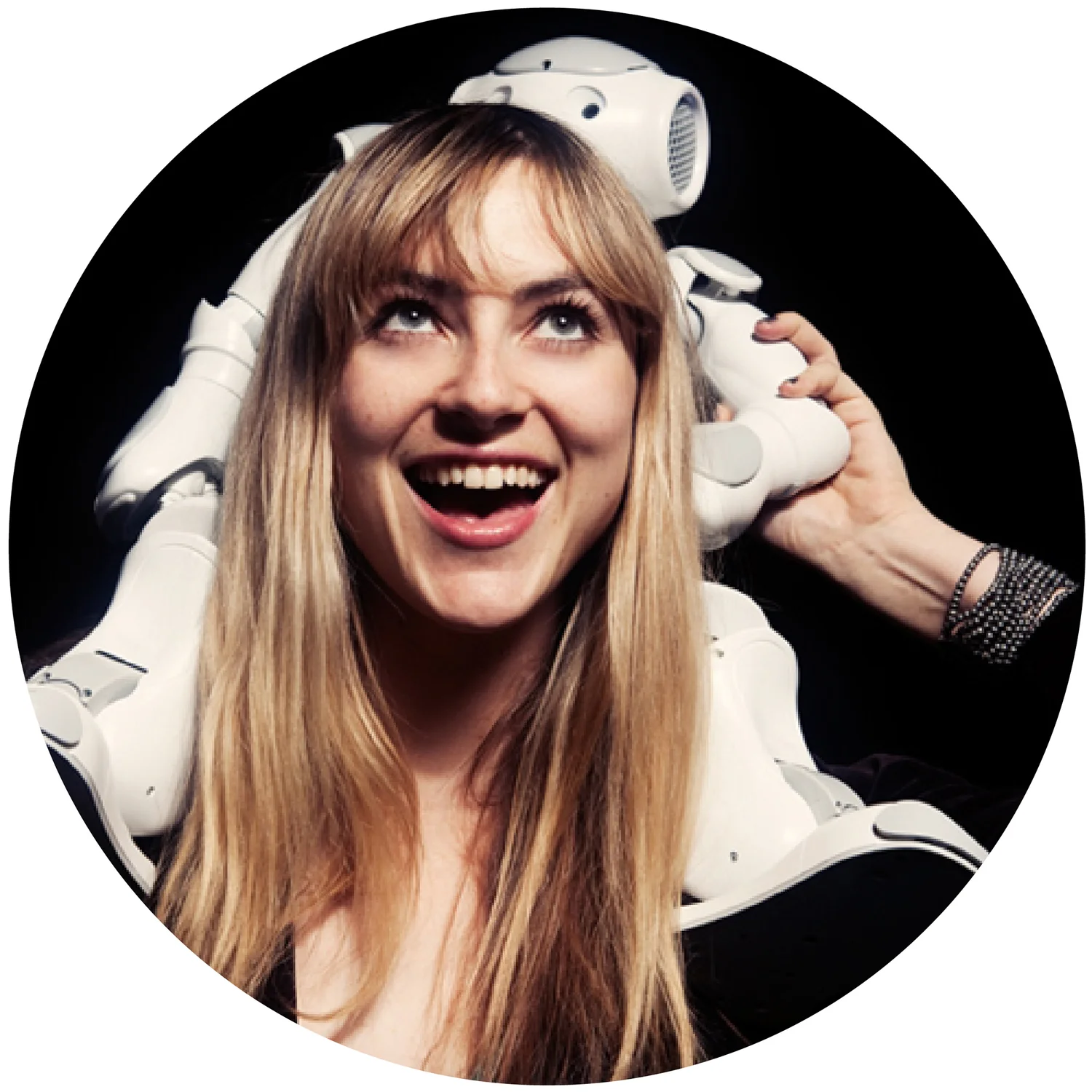
Professor, Oregon State University
Heather Knight runs the CHARISMA Robotics research group at Oregon State University. Her previous work includes a postdoc at Stanford University, a PhD in Robotics at Carnegie Mellon University exploring Expressive Motion for Low Degree of Freedom Robots, and M.S. and B.S. degrees in Electrical Engineering & Computer Science at Massachusetts Institute of Technology. Additional past work include robotics and instrumentation at NASA’s Jet Propulsion Laboratory, sensor design at Aldebaran Robotics, nine years of producing an annual Robot Film Festival, a robot flower garden installation at the Smithsonian/Cooper-Hewitt Design Museum, robot comedy on TED.com, and a British Video Music Award for OK GO’s “This Too Shall Pass” music video featuring a two-floor Rube Goldberg Machine.
heather.knight (at) oregonstate.edu
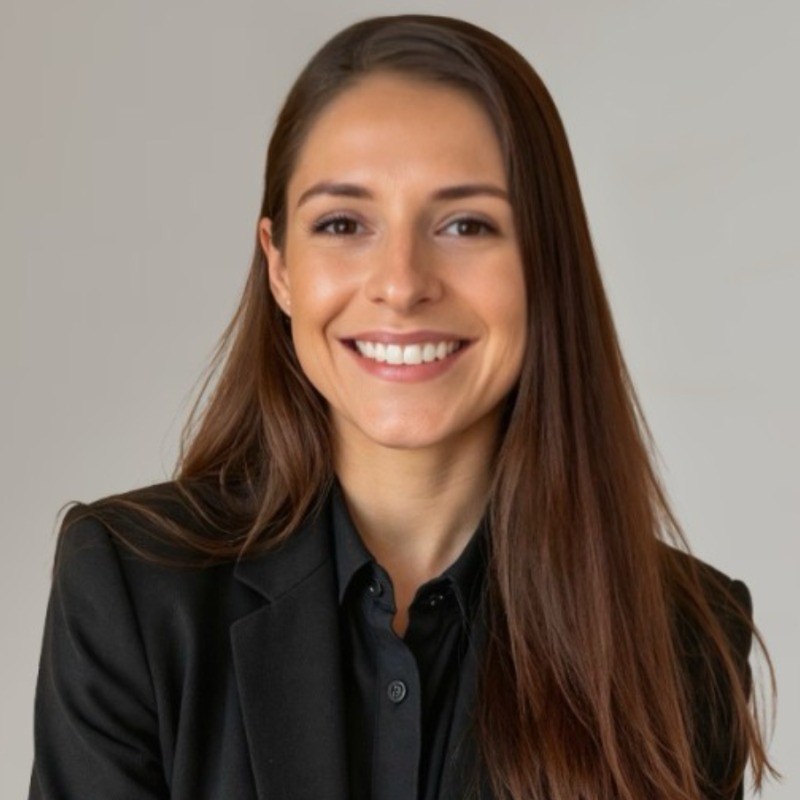
Head of Product Design, Archetype AI
Lauren Bedal is a designer and thought leader in human-computer interaction, bridging the worlds of technology and embodiment. With an extensive background in movement, choreography and dance, she helps startups, agencies, and Fortune 100 companies like Google bring emerging technologies to market, specializing in embodied inputs such as proximity, gestures, body language, and biometrics (Project Soli).
lbedal2@gmail.com
Organizing Committee
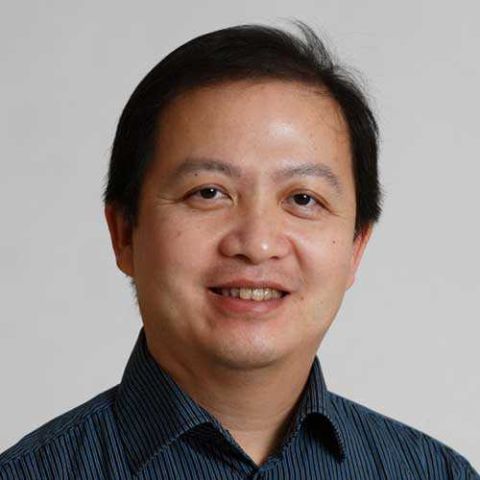
Distinguished Professor, Penn State (Workshop Chair)
jzw11 (at) psu.edu
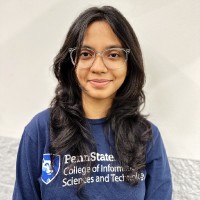
PhD Student, Penn State
sfb6038 (at) psu.edu
Director, The RAD Lab
amy (at) the-rad-lab.org

Professor, Penn State
rba10 (at) psu.edu
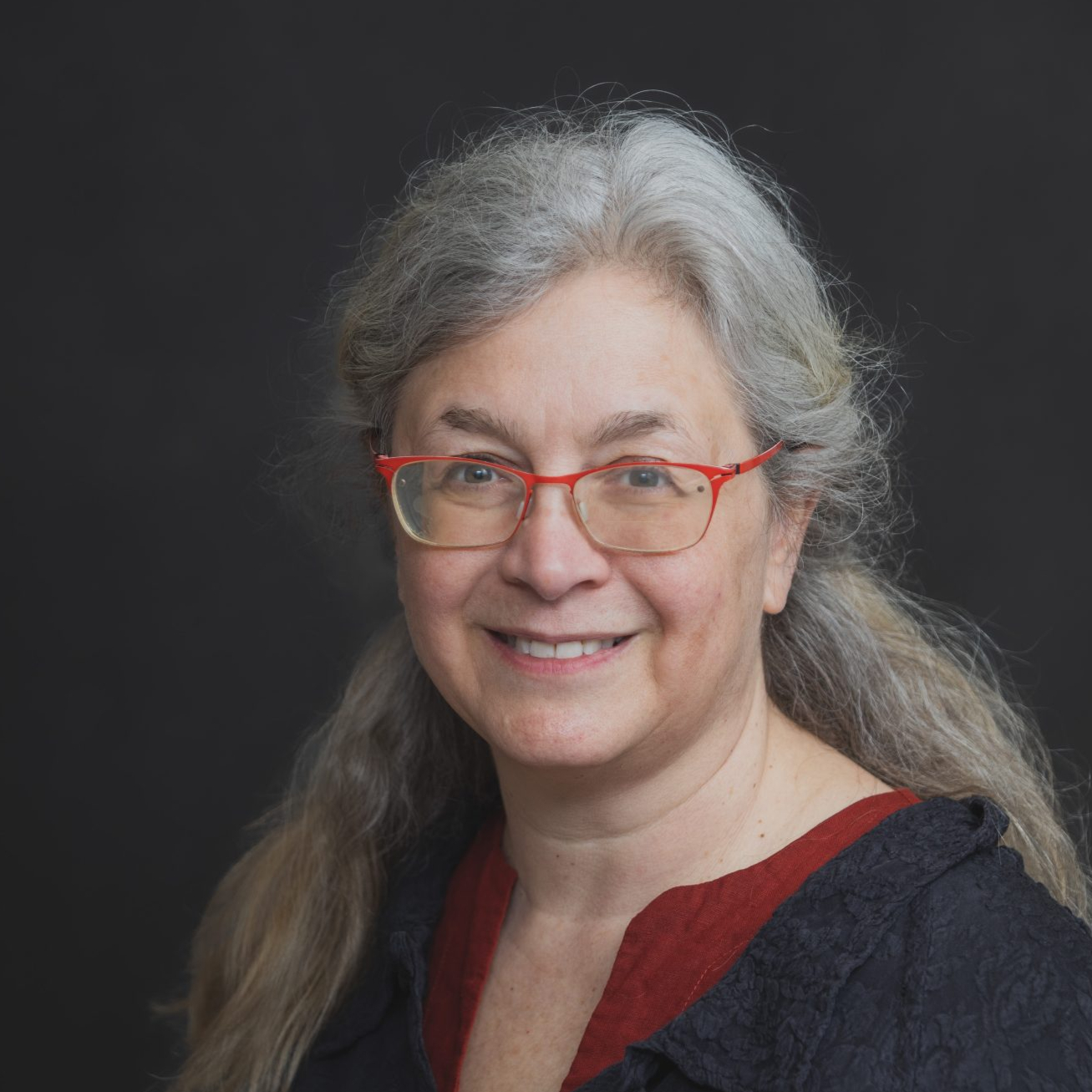
Associate Professor, University of Illinois Chicago
rtsachor (at) uic.edu
Other Contributors
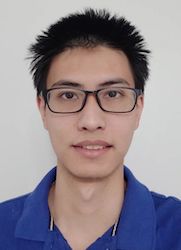
PhD Student, Penn State
sitao.zhang (at) psu.edu

Undergrad Student, Penn State
jqc6822 (at) psu.edu

Independent Contributor
jtl5503 (at) psu.edu
© The 2nd International Workshop on Bodily Expressed Emotion Understanding (BEEU, 2026)